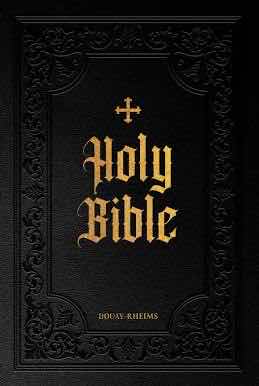
Learn Books of the Bible
Learn the basics of every Bible book!
66 free flashcards · by Ben · History & Geography / Religion
Start learning Books of the Bible for free on Cards
What you'll learn in Books of the Bible
- Provides the foundational narratives about creation and the origins of the Israelite people, including famous stories like Adam and Eve and Noah’s Ark. — Genesis
- Relates how Israel was delivered from Egyptian slavery and the establishment of a covenant relationship with God. — Exodus
- Contains detailed laws and instructions regarding worship and holy living for the community of Israel. — Leviticus
- Chronicles Israel’s wilderness wanderings and the consequences of their lack of faith and disobedience. — Numbers
- Reiterates and expands upon the laws given earlier, instructing Israel on faithful living in the Promised Land. — Deuteronomy
- Describes the military conquest of the Promised Land and the allocation of territories among the twelve tribes. — Joshua
- Records a cyclical pattern of Israel turning away from God, suffering oppression, and being delivered by divinely appointed leaders. — Judges
- Tells a story of loyalty, love, and redemption that sets the stage for the future lineage of King David. — Ruth
- Depicts the transition of Israel from a loose confederation of tribes to a kingdom through the rise and fall of its first king. — 1 Samuel
- Focuses on the reign of a revered king whose life was marked by both triumph and personal failure. — 2 Samuel
- Traces the history of the united kingdom and its subsequent division, highlighting a period of peace under Solomon and the eventual decline. — 1 Kings
- Continues the narrative of Israel’s divided kingdoms, culminating in the conquest and exile by foreign powers. — 2 Kings
- Offers a condensed history of Israel from early times up to King David, emphasizing temple worship. — 1 Chronicles
- Follows the reigns of David’s successors, particularly Solomon, and recounts the eventual fall of Judah. — 2 Chronicles
- Describes the return from exile and the restoration of temple worship along with re-establishing adherence to the law. — Ezra
- Recounts the rebuilding of Jerusalem’s walls and the reformation of the community after the exile. — Nehemiah
- Relates how a courageous queen risks her life to thwart a plot intended to destroy her people. — Esther
- Explores the themes of suffering, faith, and perseverance through the trials faced by a righteous man and his friends. — Job
- Comprises 150 poetic hymns and prayers that reflect a range of emotions in worship and lament. — Psalms
- Offers a collection of wise sayings aimed at guiding people to live righteously and justly. — Proverbs
- Ponders the meaning and fleeting nature of life through a philosophical and often somber reflection on human existence. — Ecclesiastes
- Presents a series of lyrical poems celebrating romantic love, desire, and marriage. — Song of Solomon (Songs)
- Contains prophetic messages warning of judgment and promising redemption, including predictions of a coming savior. — Isaiah
- Warns of the impending Babylonian exile and urges repentance amid the impending judgment. — Jeremiah
- Expresses deep sorrow and mourning over the destruction of Jerusalem through a series of poetic laments. — Lamentations
- Uses vivid, symbolic visions to admonish Israel and offer hope of eventual restoration. — Ezekiel
- Narrates the experiences of a faithful man in exile, including apocalyptic visions and tales of divine deliverance. — Daniel
- Uses the prophet’s troubled marriage as an allegory for God’s relationship with an unfaithful Israel. — Hosea
- Foretells a locust plague as a symbol of impending judgment and calls for national repentance. — Joel
- Denounces social injustice in the Northern Kingdom of Israel and calls for a return to righteousness. — Amos
- Predicts divine retribution against Edom for their violence against Israel. — Obadiah
- Recounts the story of a reluctant prophet who is swallowed by a great fish and later fulfills his mission to warn Nineveh. — Jonah
- Challenges Israel’s leaders and foresees a future ruler who will bring justice and peace. — Micah
- Prophesies the downfall of Nineveh as retribution for its wickedness. — Nahum
- Questions why injustice persists, only to learn that God will use even harsher means to bring about justice. — Habakkuk
- Announces impending judgment on Israel and the nations, yet offers a promise of eventual restoration. — Zephaniah
- Urges the people to resume rebuilding the temple in Jerusalem and to prioritize spiritual renewal. — Haggai
- Presents a series of prophetic visions encouraging the return to faith and promising future restoration. — Zechariah
- Critiques the complacency of Israel and predicts the coming of a messenger to prepare the way for the Lord. — Malachi
- Provides an account of Jesus’ life, death, and resurrection, highlighting his fulfillment of Old Testament prophecies and his role as King of the Jews. — Matthew
- Offers a concise narrative of Jesus’ ministry, emphasizing his miracles, teachings, and servant leadership. — Mark
- Presents a detailed and orderly account of Jesus’ life, drawing on eyewitness testimonies and emphasizing his compassion. — Luke
- Focuses on the divine nature of Jesus through stories of signs and miracles intended to inspire belief. — John
- Chronicles the early church’s formation and expansion, detailing the spread of the gospel through the power of the Holy Spirit. — Acts
- Explores the theological basis of salvation and the transformative power of the gospel in a letter to the church in Rome. — Romans
- Addresses moral and organizational issues within the church at Corinth, providing guidance on Christian living. — 1 Corinthians
- Emphasizes reconciliation and defends Paul’s apostolic authority in a follow-up letter to the Corinthian church. — 2 Corinthians
- Argues against legalistic practices and affirms that salvation is achieved through faith alone. — Galatians
- Encourages believers to live in unity and grace, outlining the spiritual blessings found in Christ. — Ephesians
- Exudes joy and gratitude, urging the church at Philippi to find contentment in their faith despite hardships. — Philippians
More Religion flashcards
 Islam Basics · 58 cards
- 100 Important Bible Characters · 100 cards
 Jewish Holidays · 15 cards
 Major Hindu Deities · 25 cards