Learn Astronomy Terms
Learn the basic language of astronomy in this course!
272 free flashcards · by Ben · Math & Science / Astronomy
Start learning Astronomy Terms for free on Cards
What you'll learn in Astronomy Terms
- A giant hot gas ball that emits radiation through nuclear fusion. — Star
- A celestial body orbiting a star or stellar remnant that is massive enough to be rounded by its own gravity and has cleared its neighboring region of planetesimals. — Planet
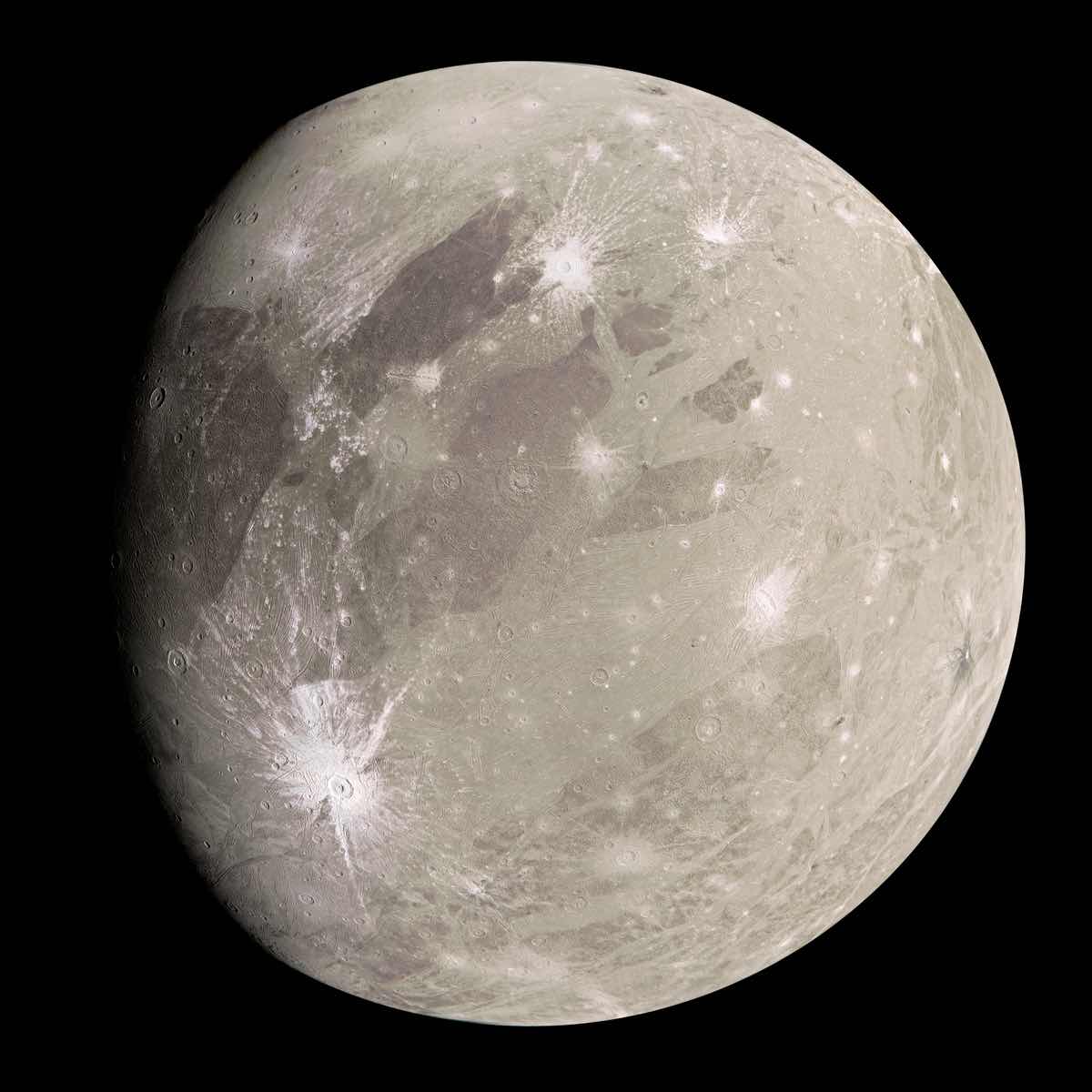
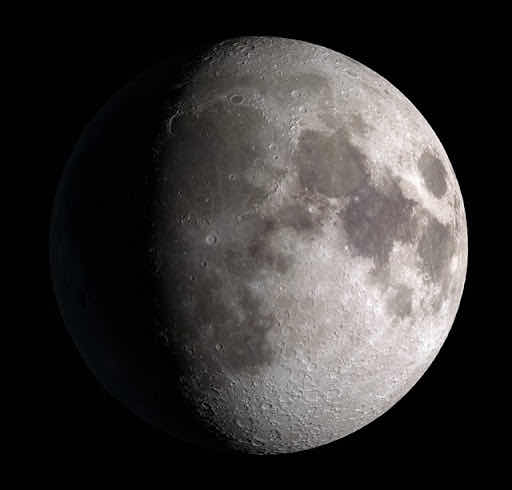
- A natural satellite that orbits a planet or a dwarf planet — Moon
- Cooler areas on the Sun’s surface, appearing black in visible light and linked to disturbances in the Sun’s electromagnetic field. — Sunspot
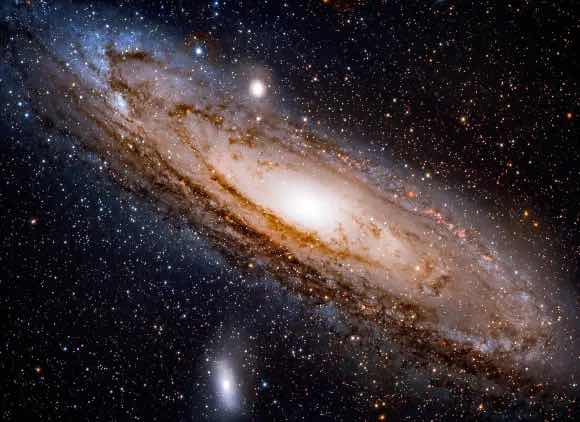
- A large star grouping; they vary in size and shape. The Milky Way is a spiral one. — Galaxy
- A small planetary body in orbit around the Sun, larger than a meteoroid but smaller than a planet. Most can be found in a belt between the orbits of Mars and Jupiter. The orbits of some take them close to the Sun, which also takes them across the paths of the planets. — Asteroid
- A gigantic ball of ice and rock that orbit the Sun in a highly eccentric orbit. Some have an orbit that brings them close to the Sun where they form a long tail of gas and dust as they are heated by the Sun's rays. — Comet
- A small rock or dust particle that burns up in Earth's atmosphere, commonly called a shooting star. — Meteor
- A chunk of metal or rock that survives atmospheric entry and reaches Earth's surface. — Meteorite
- A small, rocky object orbiting the Sun, smaller than an asteroid. — Meteoroid
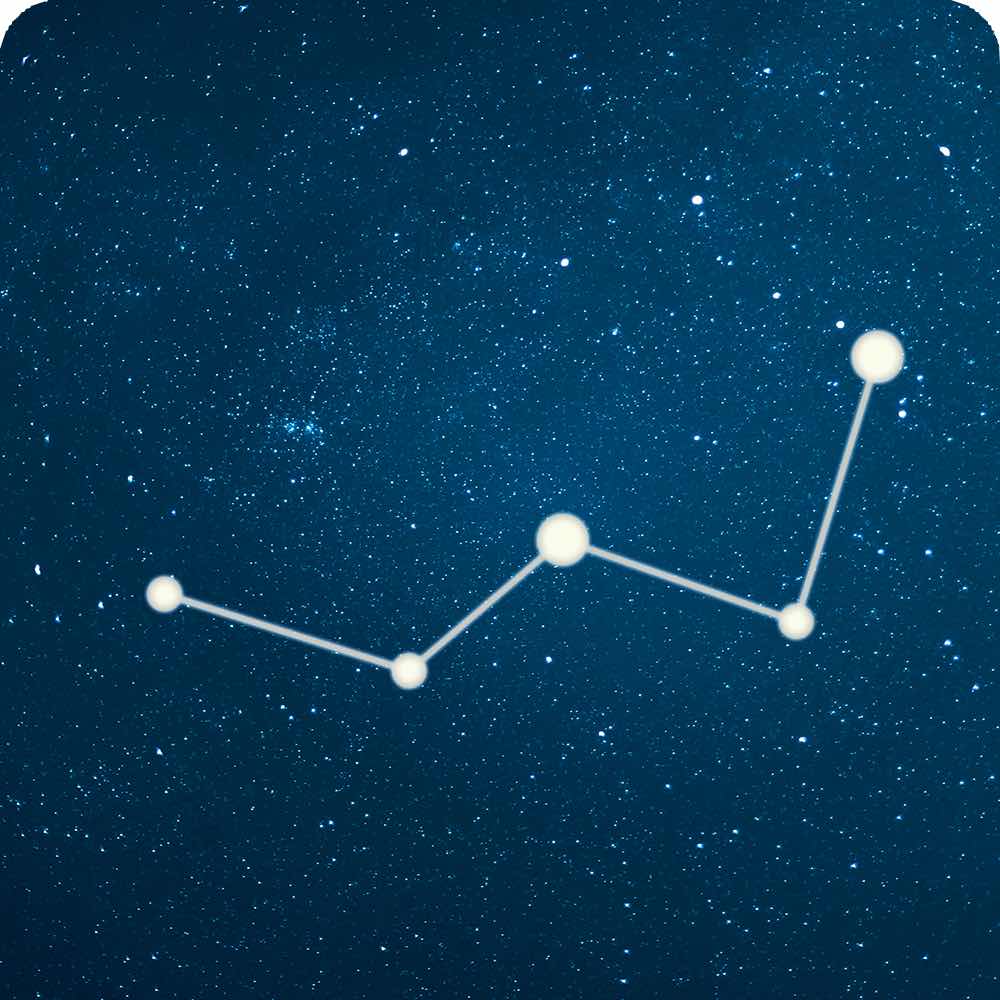
- A grouping of stars that make an imaginary picture in the sky. — Constellation
- An event where one celestial body moves into the shadow of another, temporarily blocking its light — Eclipse
- Occurs when Earth enters the Moon's shadow; total when the Moon fully covers the Sun, annular when it partially blocks the Sun, creating a ring of light. — Solar Eclipse
- A phenomenon where the Moon passes into Earth's shadow, either partially (in the penumbra) or totally (in the umbra). — Lunar Eclipse
- The path of a celestial body as it moves through space. — Orbit
- A natural force causing mutual attraction between two bodies. — Gravity
- Also known as the poles, this is an imaginary line through the center of rotation of an object. — Axis
- The spin of a body around its axis. — Rotation
- The movement of one celestial body in an orbit around another body — Revolution
- A layer of gases surrounding a planet, moon, or star. The Earth's is 120 miles thick and is composed mainly of nitrogen, oxygen, carbon dioxide, and a few other trace gases. — Atmosphere
- An astronomical unit of measure equal to the distance light travels in a year, approximately 5.8 trillion miles. — Light Year
- A unit of measure equal to the average distance between the Earth and the Sun, approximately 93 million miles. — Astronomical Unit (AU)
- A scale measuring the brightness of celestial objects, where lower numbers indicate brighter objects; each number is 2.5 times the brightness of the previous. — Magnitude
- The apparent brightness of an object in the sky as it appears to an observer on Earth. Bright objects have a low one while dim objects will have a higher one. — Apparent Magnitude
- A scale for measuring the actual brightness of a celestial object without accounting for the distance of the object. It measures how bright an object would appear if it were exactly 10 parsecs (about 33 light-years) away from Earth. On this scale, the Sun has one of +4.8 while it has an apparent magnitude of -26.7 because it is so close. — Absolute Magnitude
- An imaginary sphere around the Earth on which the stars and planets appear to be positioned. — Celestial Sphere
- An imaginary line that divides the celestial sphere into a northern and southern hemisphere. — Celestial Equator
- The North and South poles of the celestial sphere. — Celestial Poles
- The time difference between the rising of Aries and another celestial object, a unit for locating objects in the sky. — Right Ascension
- The angular distance of an object in the sky from the celestial equator. — Declination
- The point directly overhead from an observer. — Zenith
- The point directly beneath an object or body. — Nadir
- The angular distance of an object above the horizon. — Altitude
- The angular distance of an object around or parallel to the horizon from a predefined zero point. — Azimuth
- The imaginary line traced by the Sun's yearly path through the sky. — Ecliptic
- The two points where the Sun crosses the celestial equator, marking the start of spring and autumn. — Equinox
- Times when the Sun reaches its northernmost or southernmost position relative to the celestial equator, marking the start of summer and winter. — Solstice
- The time a planet or satellite takes to orbit the Sun or its primary. — Sidereal Period
- The period of the Moon’s revolution around Earth relative to a fixed star, lasting 27 days, 7 hours, 43 minutes in mean solar time. — Sidereal Month
- The time between oppositions of a superior planet. — Synodic Period
- The time for the Moon to complete a full Earth orbit, returning to the same lunar phase, approximately 29.53 days. — Synodic Month
- The average time between successive new or full moons, equal to 29 days 12 hours 44 minutes, also called a synodic month. — Lunar Month
- The duration of a complete lunar cycle, from one new Moon to the next, equal to 29 days, 12 hours, and 44 minutes. — Lunation
- The point in the orbit of a planet or other body where it is closest to the Sun. — Perihelion
- The point in the orbit of a planet or other celestial body where it is farthest from the Sun. — Aphelion
- The point in the orbit of the Moon or other satellite at which it is closest to the Earth. — Perigee
- The point in the orbit of the Moon or other satellite where it is farthest from the Earth. — Apogee
- A measure of the tilt of a planet's orbital plane in relation to that of the Earth. — Inclination
- A measure of how much an object's orbit deviates from a perfect circle, defining the orbit's shape. — Eccentricity
- An oval shape. Kepler discovered that planetary orbits are elliptical. — Ellipse
More Astronomy flashcards
 Notable Moons of the Solar System · 12 cards
 Astronauts! · 36 cards
 The 88 Constellations · 88 cards
 Phases of the Moon · 8 cards