Learn Astronauts!
Learn the most notable astronauts, cosmonauts, and more in space history!
36 free flashcards · by Ben · Math & Science / Astronomy
Start learning Astronauts! for free on Cards
What you'll learn in Astronauts!
- First human to walk on the Moon in 1969. His words, “That’s one small step…” are among the most famous in history. Successfully recovered Gemini 8 from a dangerous spin in orbit. A naval aviator and test pilot before NASA. Remains the most iconic astronaut in world history. — Neil Armstrong
- First human in space (1961), orbiting Earth once. His flight made him an international hero during the Cold War. Famously exclaimed “Poyekhali!” (“Let’s go!”). Became a global symbol of Soviet achievement. Died in a jet crash at age 34. — Yuri Gagarin
- Second human to walk on the Moon. Conducted critical EVA techniques on Gemini 12. A PhD in astronautics from MIT. Took the famous photo of Armstrong on the Moon. Has remained a prominent advocate for Mars exploration. — Buzz Aldrin
- First American to orbit Earth (1962). Later became a U.S. Senator. Returned to space at age 77 aboard the Space Shuttle — oldest person ever in orbit. A national hero during the Space Race. Instrumental in early NASA prestige. — John Glenn
- First American in space (1961). Later walked on the Moon. Famous for hitting golf balls on the lunar surface. Grounded for years due to an inner ear disorder before returning. One of the original “Mercury Seven.” — Alan Shepard
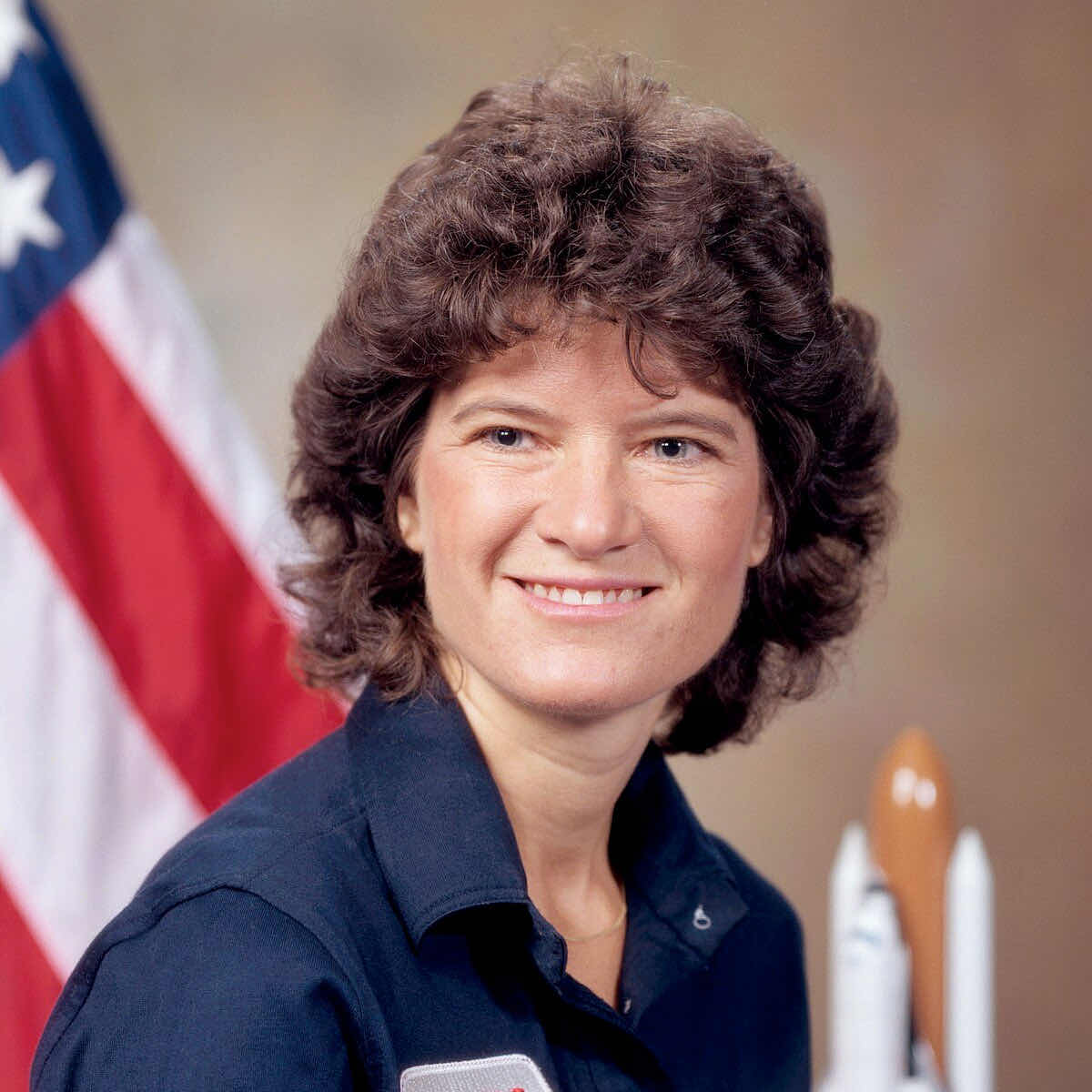
- First American woman in space (1983). A physicist selected in NASA’s first astronaut class to include women. Faced intense media scrutiny. Later founded an organization promoting STEM education. A major milestone for women in spaceflight. — Sally Ride
- First woman in space (1963). Remains the only woman to fly a solo space mission. Came from a factory-worker background. Became a Soviet political figure. A major Cold War propaganda victory. — Valentina Tereshkova
- First African American in space (1983). Flew four shuttle missions. Aerospace engineer and Vietnam veteran. Opened doors for future astronauts of color. — Guion Bluford
- Orbited the Moon alone during the Apollo 11 landing. Sometimes called “the loneliest man in history.” Conducted two Gemini spacewalks. Later directed the National Air and Space Museum. Critical but often overlooked role. — Michael Collins
- First African American woman in space (1992). A physician and engineer. Later appeared on Star Trek. Advocate for science education. Broke major racial and gender barriers. — Mae Jemison
- Commander of Apollo 13 during its near-disaster. Famously associated with “Houston, we’ve had a problem.” One of only three people to fly to the Moon twice. Never landed on it. His mission became a major film. — Jim Lovell
- Second American in space. First person to fly twice in space. Died in the Apollo 1 launch pad fire. A central figure in NASA’s early development. Helped shape crewed spaceflight protocols. — Gus Grissom
- First human to conduct a spacewalk (1965). Nearly died when his suit ballooned in vacuum. Later commanded the Apollo-Soyuz Test Project. A skilled artist who painted space scenes. Key figure in U.S.–Soviet cooperation. — Alexei Leonov
- First Canadian ISS commander. Became a global sensation for recording “Space Oddity” in orbit. Helped popularize space exploration via social media. Performed multiple spacewalks. One of the most recognizable modern astronauts. — Chris Hadfield
- Holds U.S. record for cumulative time in space (695 days). First female ISS commander. Performed 10 spacewalks. A biochemist by training. One of NASA’s most experienced astronauts. — Peggy Whitson
- Selected as the first “Teacher in Space.” Died in the Challenger disaster. Inspired millions of students. Symbol of both optimism and tragedy in NASA history. Schools nationwide are named after her. — Christa McAuliffe
- First woman of Indian origin in space. Died in Columbia disaster (2003). Aerospace engineer by training. Internationally celebrated in India and U.S. Symbol of global participation in NASA. — Kalpana Chawla
- Spent nearly a year aboard the ISS. Twin brother of astronaut Mark Kelly. Participated in the NASA Twins Study. Helped study long-duration spaceflight effects. Key for Mars planning research. — Scott Kelly
- A U.S. Navy combat pilot before joining NASA, he flew four Space Shuttle missions. He commanded STS-134, the final flight of Space Shuttle Endeavour. He is the identical twin brother of astronaut Scott Kelly, making them one of the most famous sibling pairs in space history. After retiring from NASA, he entered politics and was elected as a U.S. Senator from Arizona. He is also widely known as the husband of former U.S. Representative Gabrielle Giffords, and for advocating gun safety legislation following the 2011 Tucson shooting. — Mark Kelly
- Third human to walk on the Moon. Known for his humor and precision landing near Surveyor 3. Commanded the first crewed Skylab mission. A Navy test pilot before NASA. Often considered one of NASA’s most technically gifted astronauts. — Pete Conrad
- Took the famous “Earthrise” photograph. That image became one of the most influential photos ever taken. Inspired the environmental movement. Flew the first human mission beyond Earth orbit. — William Anders
- First animal to orbit Earth. Did not survive the mission. Her flight proved life could endure launch stresses. Became a symbol of early space experimentation. Remains controversial in animal ethics discussions. — Laika
- Seventh person to walk on the Moon. Conducted the famous hammer-and-feather gravity experiment. Commanded the first mission to use the Lunar Roving Vehicle. Helped prove Galileo’s theory in vacuum. — David Scott
- Last human to walk on the Moon (1972). Left his daughter’s initials in the lunar dust. One of only three people to fly to the Moon twice. Apollo 17 was the final Apollo lunar mission. — Gene Cernan
- Tenth and youngest person to walk on the Moon (age 36). Served as CAPCOM during Apollo 11. Left a family photo on the Moon. A key communicator during multiple missions. — Charles Duke
- Fourth person to walk on the Moon. Later became a renowned space artist. Painted scenes of the lunar surface from memory. One of the few astronauts to combine art and space history. — Alan Bean
- Commanded the first crewed mission to orbit the Moon. Apollo 8’s Christmas Eve broadcast was watched worldwide. Helped pave the way for Apollo 11. A key early Apollo leader. — Frank Borman
- Participated in the historic Apollo-Soyuz docking. Spacewalked between two docked spacecraft. Key in Cold War détente. Demonstrated international cooperation in orbit. — Yevgeny Khrunov
- First Indian citizen in space (1984). Flew aboard a Soviet Soyuz. When asked how India looked from space, he replied, “Saare Jahan Se Achha.” Became a national hero in India. — Rakesh Sharma
- First Chinese citizen in space (2003). His flight marked China as the third nation capable of independent human spaceflight. A military pilot before selection. Elevated China’s global space presence. — Yang Liwei
- First Italian to command the ISS. Survived a near-fatal EVA suit water leak. ESA astronaut and fighter pilot. Among Europe’s most recognizable astronauts. — Luca Parmitano
- First Italian woman in space. Held European record for longest single spaceflight (at the time). Fighter pilot and engineer. One of ESA’s most visible ambassadors. — Samantha Cristoforetti
- First Japanese ISS commander. Flew on both Shuttle and Soyuz missions. Helped develop robotic operations on ISS. A major figure in JAXA. — Koichi Wakata
- Walked on the Moon and commanded the first Space Shuttle flight. Only astronaut to fly on four different spacecraft classes. A NASA legend spanning Mercury through Shuttle eras. — John Young
- First woman to pilot and command a Space Shuttle. Flew the first Shuttle mission after the Columbia disaster. A U.S. Air Force colonel. Broke a major gender barrier in NASA leadership. — Eileen Collins
- Only astronaut to fly on all five Shuttle orbiters. Helped repair the Hubble Space Telescope. Holds six academic degrees. One of NASA’s most academically accomplished astronauts. — Story Musgrave
More Astronomy flashcards
 Notable Moons of the Solar System · 12 cards
 Astronomy Terms · 272 cards
 The 88 Constellations · 88 cards
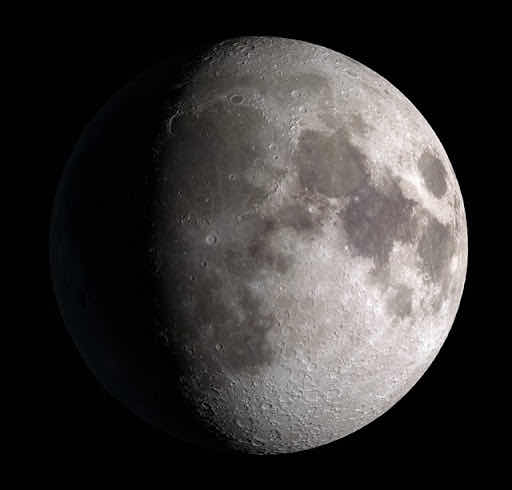 Phases of the Moon · 8 cards