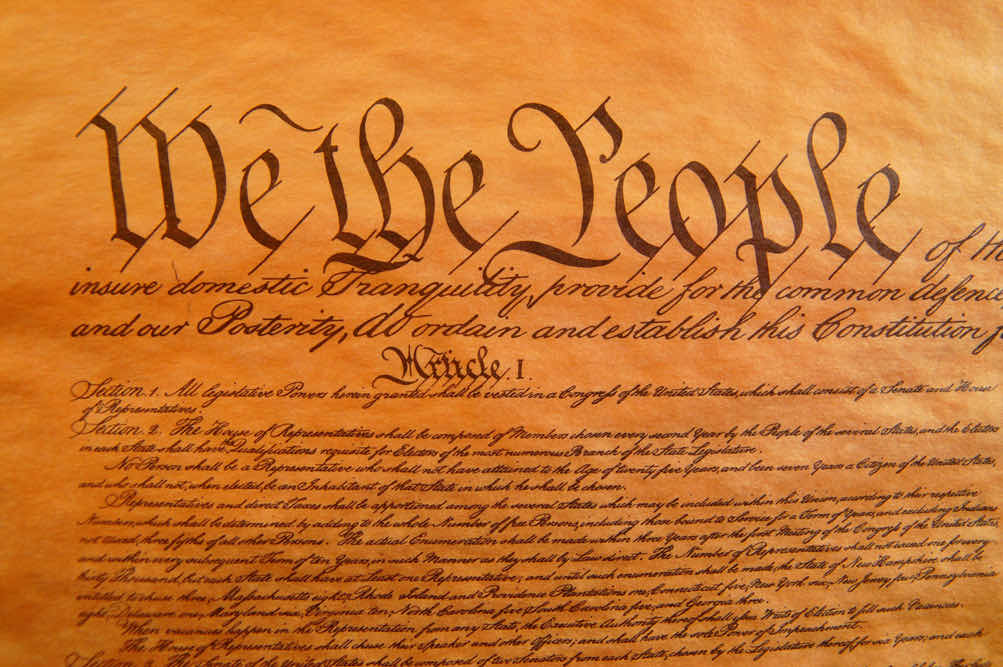
Learn US Constitutional Amendments
Learn the 27 Amendments of the US Constitution!
27 free flashcards · by Ben · History & Geography / Politics
Start learning US Constitutional Amendments for free on Cards
What you'll learn in US Constitutional Amendments
- Protects freedom of religion, freedom of speech, freedom of the press, freedom of assembly and the right to petition the government. — 1st
- Protects the right to keep and bear arms. — 2nd
- Restricts the quartering of soldiers in private homes. — 3rd
- Prohibits unreasonable searches and seizures and sets requirements for search warrants based on probable cause. — 4th
- Sets rules for indictment by grand jury and eminent domain, protects the right to due process and prohibits self-incrimination and double jeopardy. — 5th
- Protects the right to a speedy public trial by jury, to notification of criminal accusations, to confront the accuser, to obtain witnesses and to retain counsel. — 6th
- Provides for the right to a jury trial in civil lawsuits. — 7th
- Prohibits excessive fines and excessive bail, as well as cruel and unusual punishment. — 8th
- States that rights not enumerated in the Constitution are retained by the people. — 9th
- States that the federal government possesses only those powers delegated, or enumerated, to it through the Constitution, and that all other powers are reserved to the states, or to the people. — 10th
- Immunizes states from suits brought by out-of-state citizens and foreigners not living within the state borders; lays the foundation for state sovereign immunity. — 11th
- Establishes that the vice president is elected together with the president rather than as the runner-up in the presidential election. — 12th
- Abolishes slavery and involuntary servitude, except as punishment for a crime. — 13th
- Defines citizenship, contains the Privileges or Immunities Clause, the Due Process Clause and the Equal Protection Clause, and deals with post–Civil War issues. — 14th
- Prohibits the denial of the right to vote based on race, color or previous condition of servitude. — 15th
- Permits Congress to levy an income tax without apportioning it among the various states or basing it on the United States Census. — 16th
- Establishes the direct election of United States senators by popular vote. — 17th
- Prohibits the manufacturing or sale of alcohol within the United States. (Repealed on December 5, 1933, by the 21st Amendment.) — 18th
- Grants women the right to vote. — 19th
- Changes the dates on which the terms of the president and vice president, and of members of Congress, begin and end, to January 20 and January 3 respectively. States that if the president-elect dies before taking office, the vice president–elect is to be inaugurated as president. — 20th
- Repeals the 18th Amendment and makes it a federal offense to transport or import intoxicating liquors into U.S. states and territories where prohibited by law. — 21st
- Limits the number of times a person can be elected president. — 22nd
- Grants the District of Columbia electors in the Electoral College. — 23rd
- Prohibits the revocation of voting rights based upon failure to pay taxes. — 24th
- Addresses succession to the presidency and establishes procedures both for filling a vacancy in the office of the vice president and responding to presidential disabilities. — 25th
- Lowers the voting age to 18 years. — 26th
- Delays laws affecting Congressional salary from taking effect until after the next election of representatives. — 27th
More Politics flashcards
 Presidents of the United States · 45 cards
 First Ladies of the United States · 53 cards
 Current World Leaders · 196 cards
 US Presidents' Middle Names · 25 cards
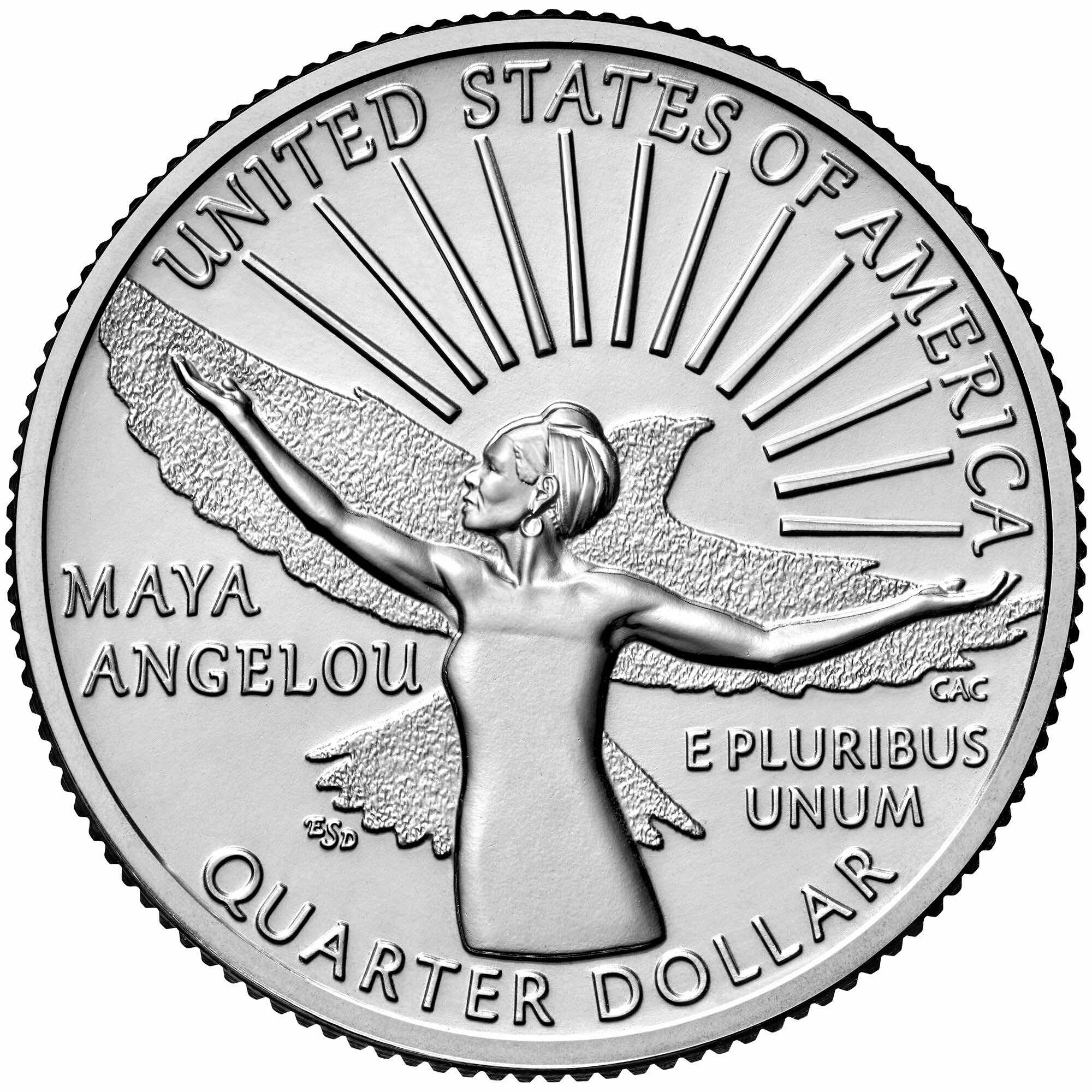 American Women Quarters · 20 cards
 Canadian Prime Ministers · 24 cards
- Presidential Election Losers · 57 cards
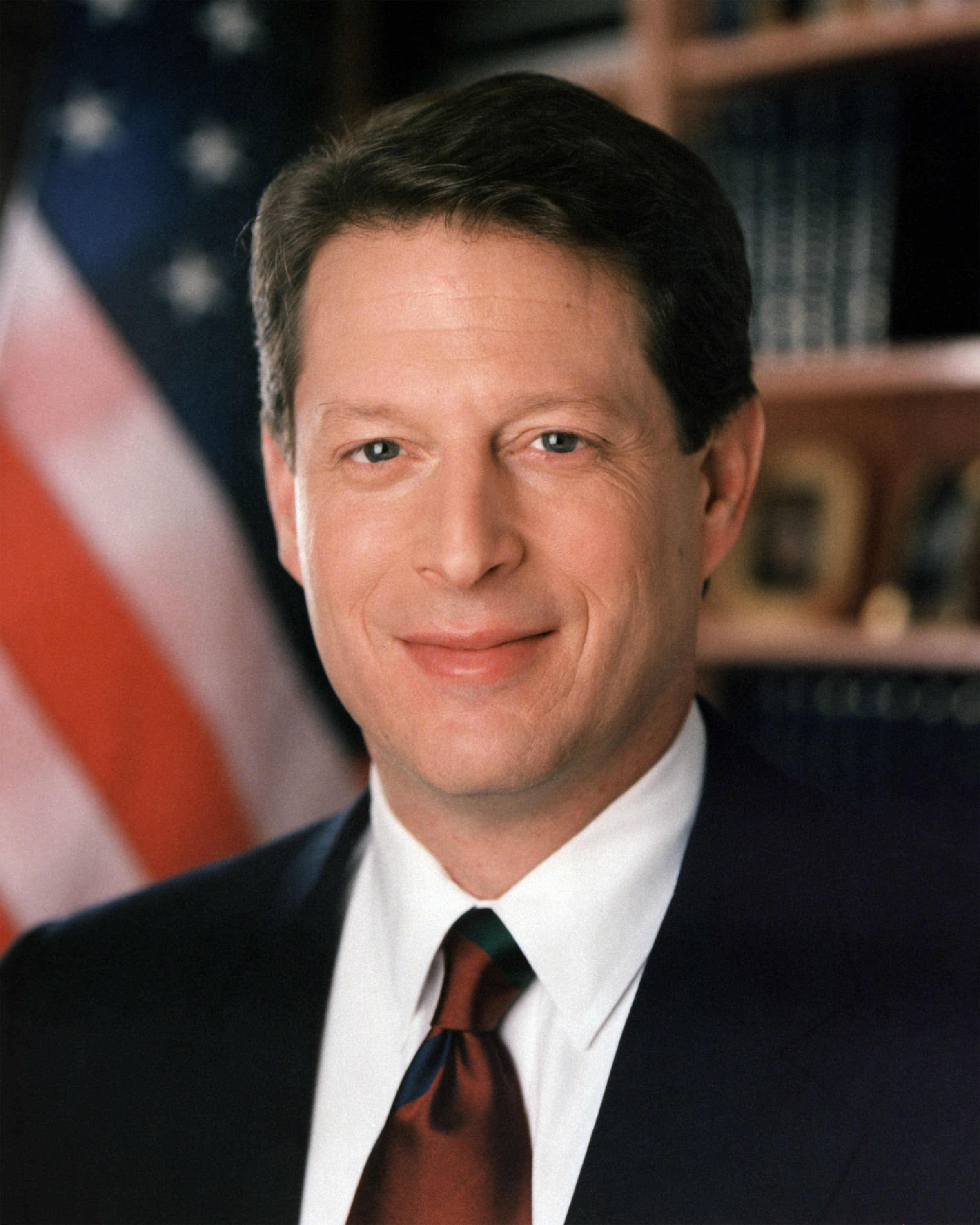 Vice Presidents of the United States · 50 cards