
Learn Basic Medical Condition Terms
Learn some basic medical terms about diseases and conditions.
39 free flashcards · by Ben · Math & Science / Health Science
Start learning Basic Medical Condition Terms for free on Cards
What you'll learn in Basic Medical Condition Terms
- Intermittent chest pain normally caused by insufficient blood flow to the heart — Angina
- Swelling as a result of fluid retention or buildup — Edema
- A clot caused by blood, fat, air or other types of fluid, gas or foreign material — Embolism
- Unusually high blood pressure — Hypertension
- Unusually low blood pressure — Hypotension
- Administration of medication or fluids by vein — Intravenous
- Also known as a heart attack, where the heart is deprived of blood due to arterial blockage — Myocardial infarction
- Describes a disease that is not getting worse — Remission
- An imbalance in the body's response to infection that injures the body's tissues and organs — Sepsis
- A blood clot that forms inside a blood vessel restricting blood flow — Thrombosis
- A cracked or broken bone — Fracture
- A localized, balloon-like dilation of a blood vessel due to a weakened vessel wall. — Aneurysm
- An abnormal heart rhythm resulting from irregular electrical activity in the heart. — Arrhythmia
- Hardening and narrowing of the arteries due to plaque buildup on the vessel walls. — Atherosclerosis
- Inflammation of the bronchial tubes, often causing coughing and mucus production. — Bronchitis
- Infection that inflames the air sacs in one or both lungs, which may fill with fluid. — Pneumonia
- A chronic condition characterized by airway inflammation and episodes of wheezing, coughing, and shortness of breath. — Asthma
- A group of progressive lung diseases (including emphysema and chronic bronchitis) that cause breathing difficulties. — Chronic Obstructive Pulmonary Disease (COPD)
- Formation of a blood clot in a deep vein, commonly in the legs, which may dislodge and travel to the lungs. — Deep Vein Thrombosis (DVT)
- Inflammation of the liver, often due to viral infections, toxins, or autoimmune processes. — Hepatitis
- Chronic liver damage leading to scarring and impaired liver function. — Cirrhosis
- A condition marked by abnormally low levels of blood sugar, which can cause symptoms like shakiness and confusion. — Hypoglycemia
- Elevated blood sugar levels, often associated with uncontrolled diabetes. — Hyperglycemia
- Inflammation of the kidneys, which can impair kidney function. — Nephritis
- A degenerative joint disease characterized by the breakdown of cartilage, leading to pain and stiffness. — Osteoarthritis
- A form of inflammatory arthritis marked by sudden, severe attacks of joint pain due to uric acid crystal deposition. — Gout
- A chronic autoimmune disease that can affect the skin, joints, kidneys, brain, and other organs. — Lupus (Systemic Lupus Erythematosus)
- An autoimmune skin disorder that results in red, scaly patches on the skin. — Psoriasis
- A chronic inflammatory skin condition characterized by itchy, red, and dry skin. — Eczema (Atopic Dermatitis)
- A condition characterized by a deficiency in red blood cells or hemoglobin, leading to fatigue and weakness. — Anemia
- A genetic disorder that impairs the blood’s ability to clot, leading to excessive bleeding from even minor injuries. — Hemophilia
- An inherited blood disorder where red blood cells become misshapen, leading to chronic anemia and pain episodes. — Sickle Cell Disease
- A group of inherited blood disorders marked by abnormal hemoglobin production, causing anemia. — Thalassemia
- A condition characterized by decreased bone density and increased risk of fractures. — Osteoporosis
- A chronic disorder causing widespread musculoskeletal pain along with fatigue and tenderness in localized areas. — Fibromyalgia
- A neurological disorder defined by recurrent, unprovoked seizures due to abnormal electrical activity in the brain. — Epilepsy
- Inflammation of the membranes (meninges) surrounding the brain and spinal cord, typically due to infection. — Meningitis
- Inflammation of the brain tissue, usually caused by a viral infection. — Encephalitis
- Inflammation or infection of small pouches (diverticula) that can form in the walls of the colon. — Diverticulitis
More Health Science flashcards
 Bones of the Human Body · 60 cards
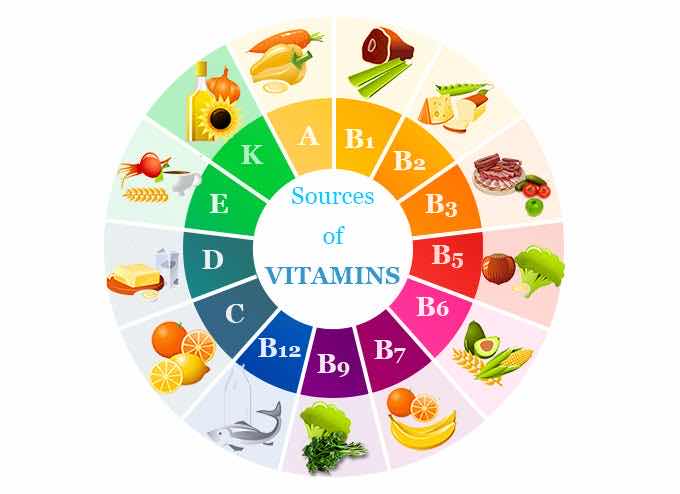 Vitamins! · 13 cards